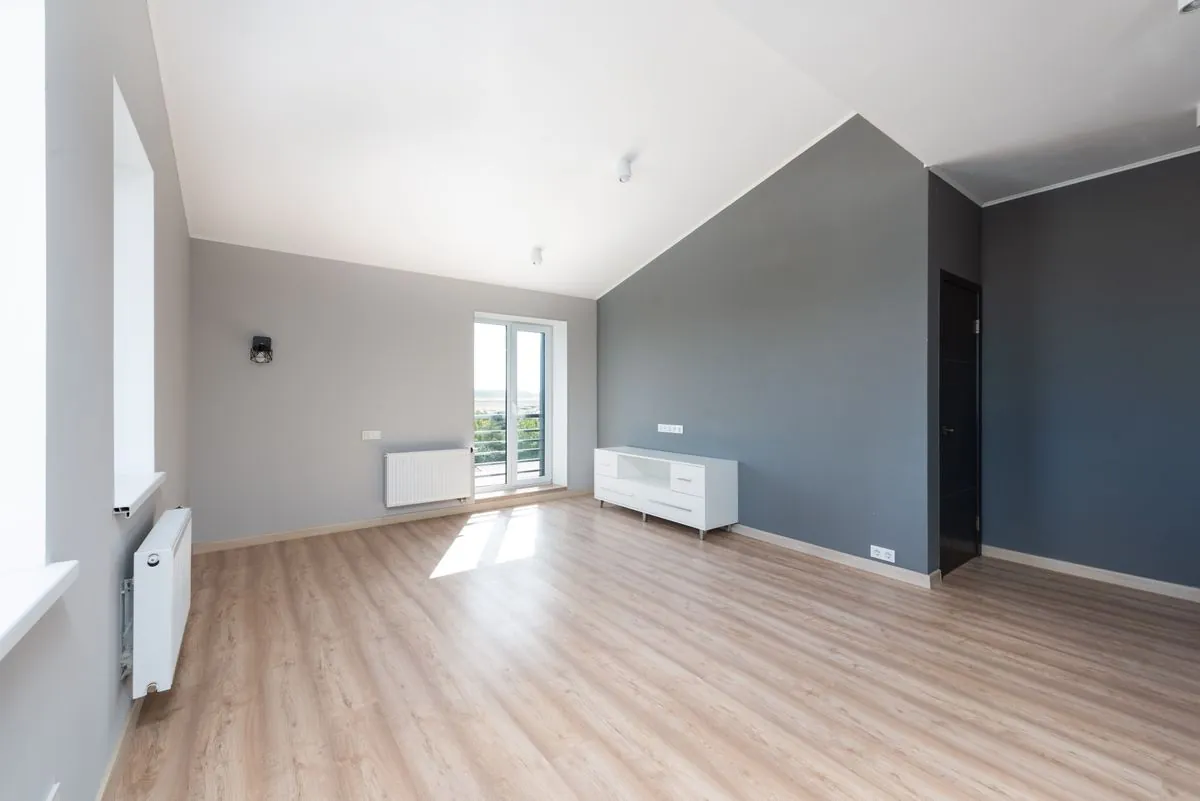
Model the cash flow, work and marketing decisions involved when a rental home sits empty between tenancies.
A void period is time when a rental property is not producing rent. It may happen between tenancies, during repair work or while a landlord decides what to do next. The length is uncertain, so a sound plan tests several timelines rather than assuming a new tenant will move in immediately. This makes the effect on cash flow visible before a decision becomes urgent.
01Calculate the holding cost
List the costs that continue while the home is empty. Depending on the property and arrangements, these may include mortgage payments, insurance, council tax, utilities, service charges, security and essential maintenance. Check policy terms about unoccupied homes and notify the insurer where required. Tax treatment depends on the landlord’s circumstances, so take financial advice for a specific portfolio or expense question.
- Create one, four and eight week scenarios for the empty period
- Include fixed property costs and a reasonable allowance for utilities and upkeep
- Add the cost of essential repairs, cleaning, inventory and safety work
- Check insurance conditions and any lender or lease requirements
- Keep a cash reserve separate from expected rent
- Review whether a proposed improvement is essential, worthwhile or deferrable
02Use the notice period to prepare the next step
Where the tenancy arrangements and law allow, start planning early. Confirm the expected handover date, book check out and contractor appointments, and identify work that depends on the property being empty. Prepare accurate marketing materials and agree a target rent using recent comparable properties, condition and demand. Do not promise a move in date until outstanding work and the tenancy process support it.
03Avoid rushing the decision that creates a longer problem
Reducing the asking rent may increase interest, but it should be based on evidence and the landlord’s costs, not a guess. Compare similar homes by location, size, condition, furnishing and availability. Review viewing feedback: repeated comments about price, presentation or missing information can point to a change that may shorten the void. Keep a log of enquiry dates, viewings, feedback and agreed changes so the next decision is measurable.
When a tenant is confirmed, allow time for referencing, written terms, required documents, deposit arrangements and check in. A planned handover protects the property record and gives the incoming tenant clear information. For a portfolio, compare actual void days and costs by property over time. That evidence can help with maintenance budgets, rent assumptions and decisions about future improvements.
Track the total cost of a void, the days each stage takes and the reason the property was empty. Those figures make next year’s plan more useful.
Sources and useful information
Check current guidance for your property and circumstances.