Understand your heating controls, reduce avoidable energy waste and know when a comfort issue needs to be reported.
Energy use in a rented home depends on the building, heating system, weather, tariff and the people living there. A tenant may not be able to change windows or a boiler, but understanding the controls and spotting faults early can improve comfort and avoid unnecessary waste. Never make a permanent alteration without permission.
01Learn the heating system before changing settings
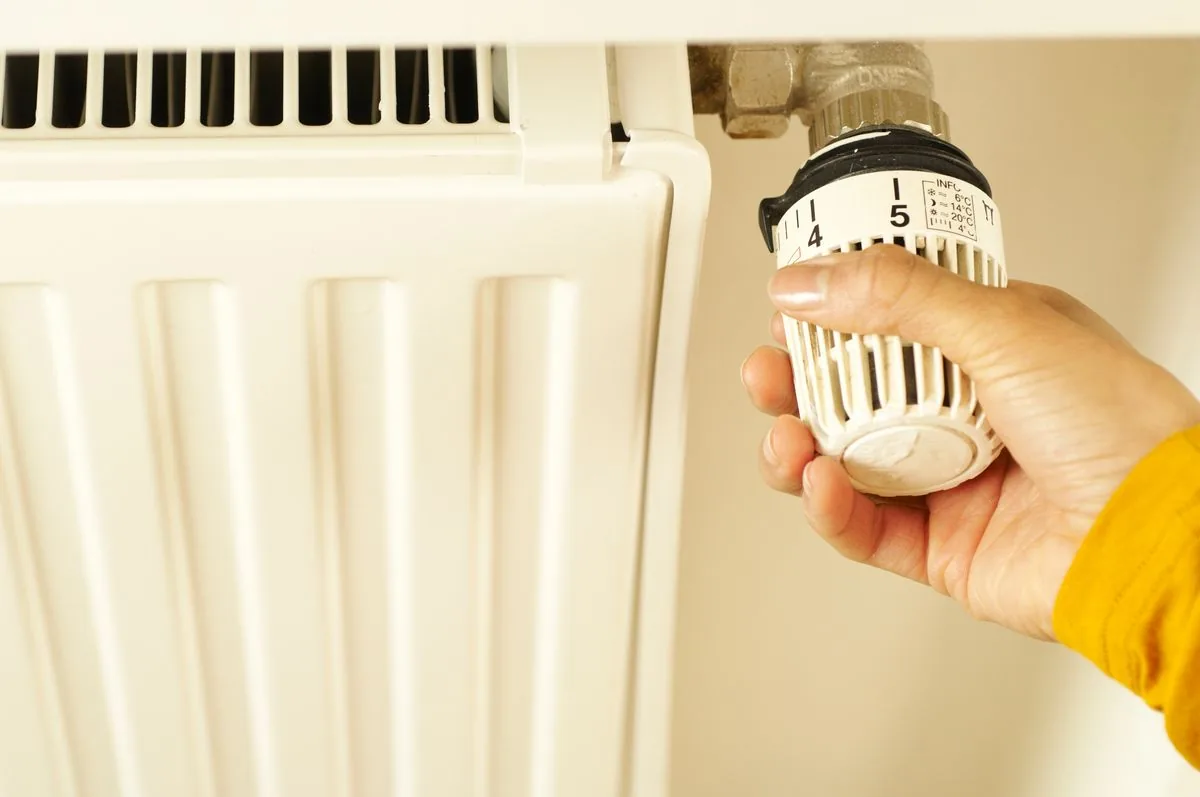
Find the thermostat, programmer and radiator valves, then ask the landlord or agent for instructions if they are unfamiliar. Use the controls to heat the home when it is needed rather than guessing at complicated settings. Keep radiators clear of large furniture and allow warm air to circulate. If one radiator stays cold, the boiler shuts down, or a room remains persistently cold despite normal use, report the fault rather than attempting a repair yourself.
- Record meter readings when you move in and keep a dated copy
- Check that doors and windows close properly and report damaged seals
- Close curtains after dark where this is safe and practical
- Use extractor fans and openable windows to clear moisture after cooking or bathing
- Keep ventilation grilles clear, even during cold weather
- Ask for the Energy Performance Certificate and note its recommendations
02Manage moisture as well as heat
Condensation forms when moist air meets a cold surface. Everyday activities such as cooking, showering and drying clothes add moisture to the air. Use kitchen and bathroom extraction where available, ventilate safely, and avoid blocking air vents. If you notice persistent damp, mould, a leak or an ineffective extractor, report it promptly with photographs and the location. Good household habits can help, but they do not replace a landlord’s repair responsibilities.
03Use the EPC as a guide, not a bill promise
An Energy Performance Certificate gives information about a property’s energy performance and typical features. It cannot predict your exact bill because usage and tariffs vary. Ask the agent where to find the certificate and whether any recommended work has been completed. Tenants should not install insulation, change heating equipment or make other building alterations without written permission.
If the home is unsafe, has no heating in cold weather, or presents an electrical or gas concern, report the issue through the stated urgent route. Keep the message and any response. For a fault that may pose immediate danger, follow the emergency instructions provided for the property and contact the appropriate emergency service.
Keep vents open, use the controls as intended, record meter readings and report faults early. These steps help separate everyday energy use from a problem that needs repair.
Sources and useful information
Check current guidance for your property and circumstances.