An inspection is a planned conversation about the condition of an occupied home. Agree access, observe without disrupting the tenant unnecessarily and leave with a written action list. This guide focuses on how to conduct that visit.
A consistent inspection route
Arrange access properly
Contact the tenant in writing, explain why access is needed and propose a reasonable time. Landlords normally need to give at least 24 hours notice for an inspection unless there is an emergency. The tenant right to quiet enjoyment must be respected.
Use the same inspection route
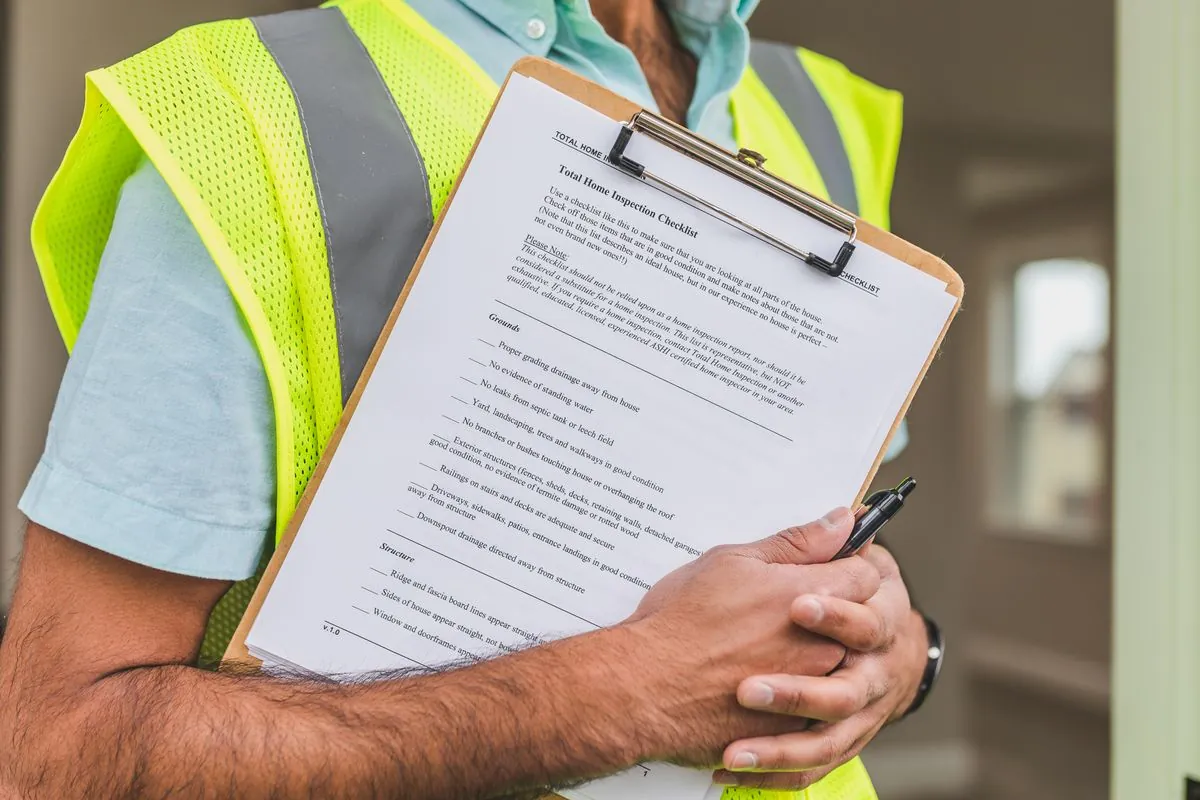
Start outside and move through each room in the same order. Check water leaks, damp, ventilation, heating, alarms, doors, windows, supplied appliances and visible damage. Ask the tenant about faults that may not be visible during the visit.
- Exterior and access
- Kitchen and bathroom
- Heating and ventilation
- Safety and security
- Tenant-reported concerns
Create a fair record
Write factual notes and use photographs only where they help record condition. Explain what is being photographed and avoid personal possessions unless they are directly relevant to a repair or safety concern. Store records securely.
Confirm the follow-up plan
Send a short written summary with repairs, responsibilities and expected dates. Urgent safety work should be instructed immediately. Add routine work to the maintenance plan and confirm completion with the tenant.