This is a physical readiness guide. Walk through every room as a future tenant would, fix faults, choose durable finishes and record the condition before occupation. Separate safety certification and later inspections have their own guides.
Room-by-room readiness check
Appliances, seals, extraction and safe sockets
Water pressure, ventilation and sound sealant
Heating, flooring, windows and secure doors
Lighting, access, gutters and safe boundaries
Start with safety and essential repairs
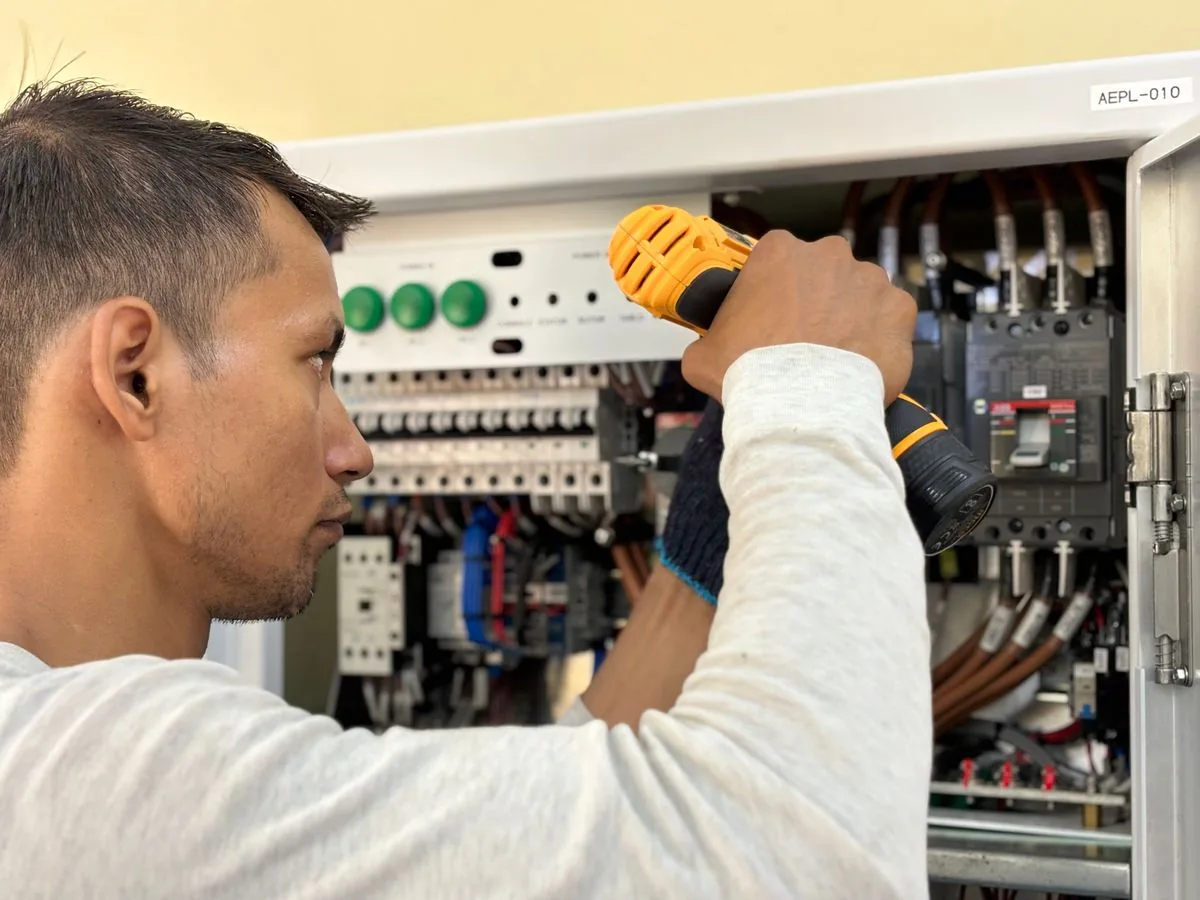
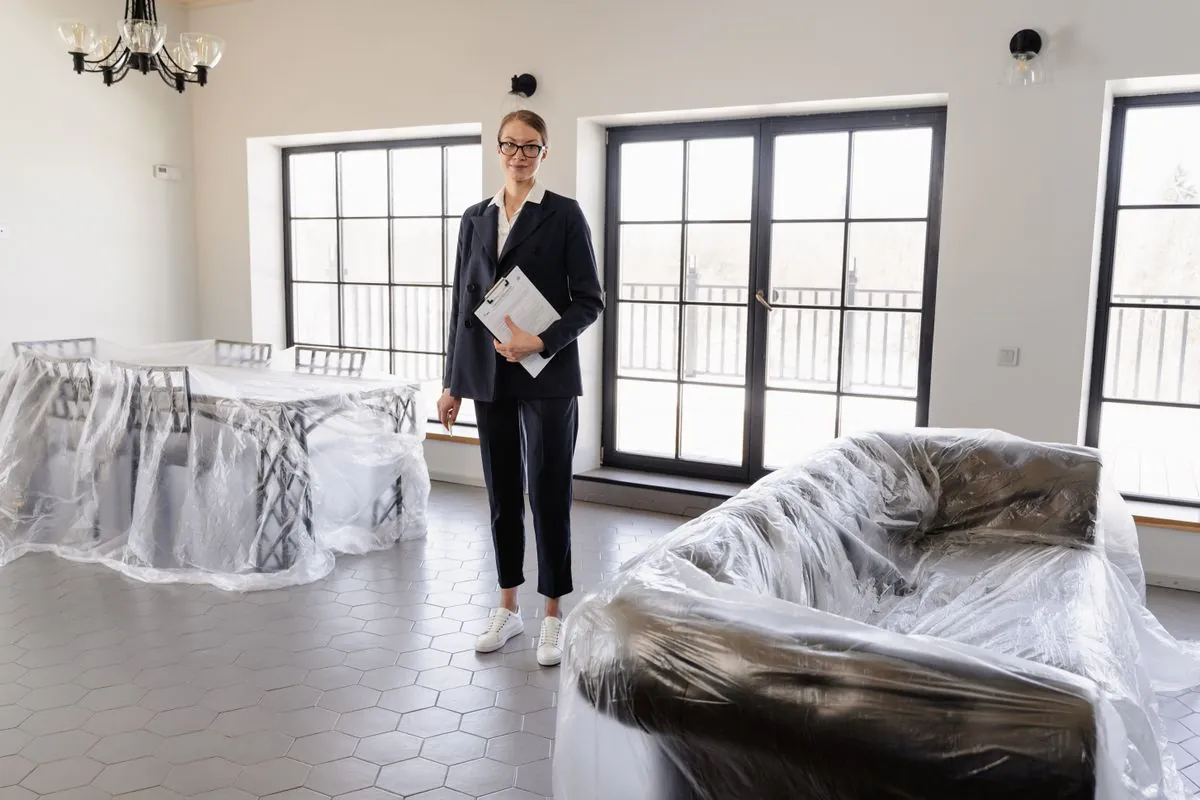
Walk through the property as if you were moving in. Look for leaks, loose fittings, damaged flooring, signs of damp and anything that could cause injury. Test every supplied appliance and confirm that doors and windows open, close and lock properly.
Make each room practical
Use washable paint, durable flooring and simple fittings. Kitchens and bathrooms should be easy to clean. Bedrooms need safe sockets, working heating and suitable window coverings. Remove personal possessions and leave enough space for a tenant to use the home comfortably.
- Kitchen appliances work and have instructions
- Bathroom seals and ventilation are sound
- Heating reaches every living space
- Outside areas are safe and tidy
Prepare the records before marketing
Collect safety certificates, warranties, appliance details and contractor records. Record meter locations, stopcock details and bin arrangements. A complete file makes move-in simpler and helps you respond faster when a repair is reported.
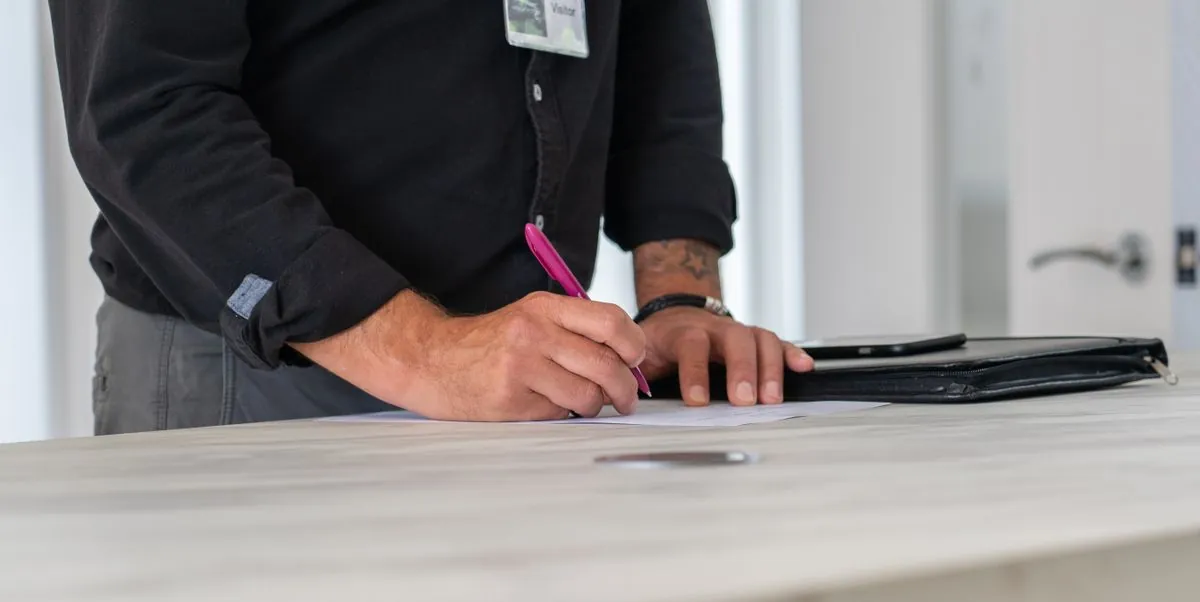
Use a detailed check-in record
Describe the condition of walls, floors, furniture, appliances and outside areas. Add clear dated photographs and meter readings. Give the tenant a fair opportunity to review the record because good evidence protects both sides at the end of the tenancy.